
Benefits of Our Program
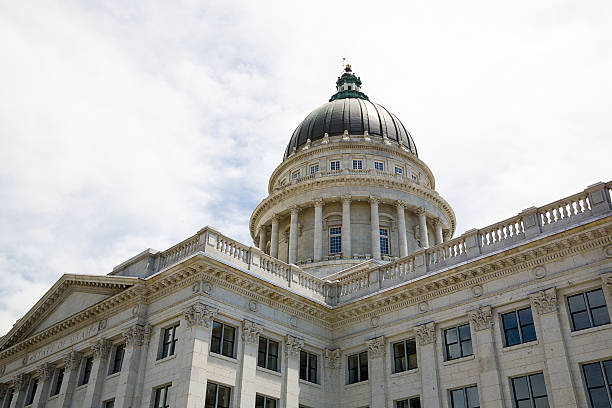
Increased Revenue For City / Local Governments
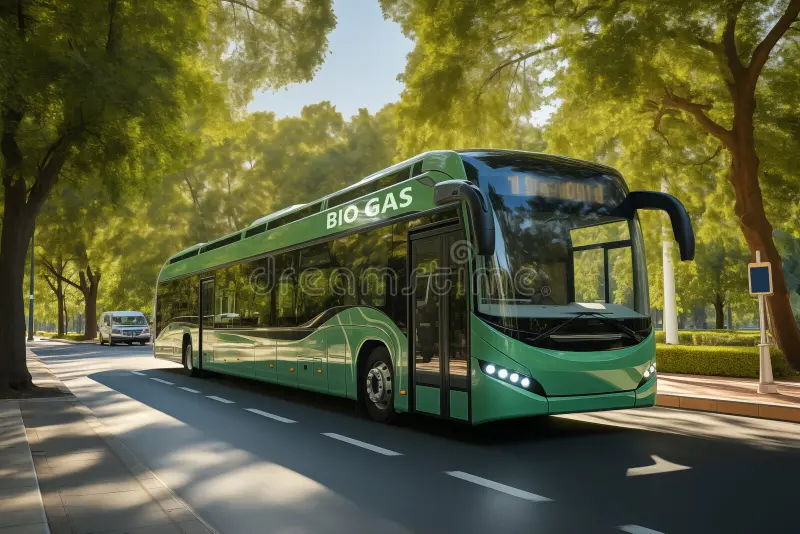
Digitalized Modern Bus Stations
Free Public Transportation
Raise Money for your local and city governments by bring in more advertisers and advertiser money by creating a point of sale at each bus station. This can be done with a digial kiosk that accepts credit cards. Customers can purchase bus tickets with a credit card and purchase a ticket to a local concert at the same time.
How It Will Work
Cities around the world are searching for ways to modernize public transportation while reducing costs for riders. One idea gaining traction is deceptively simple: transform every bus stop into a smart, digital kiosk that does far more than display a route map. By combining credit card payment systems, real-time tracking, and advertising for local events, these kiosks can become powerful economic engines. What begins as a convenience for commuters can evolve into a sustainable funding model that helps cities move closer to the goal of free public transportation.
At first glance, a bus stop might seem like an unlikely place to generate meaningful revenue. Traditionally, it serves a single purpose: waiting. But that waiting time is precisely what makes it valuable. Every day, thousands or even millions of people stand at bus stops, often for several minutes at a time. This creates a predictable flow of attention that can be monetized in a structured and scalable way. Companies such as JCDecaux and Clear Channel Outdoor have built entire business models around this concept, demonstrating that public infrastructure can double as advertising real estate without compromising its core function.
A digital kiosk installed at a bus station transforms the experience immediately. Instead of a static sign, commuters are greeted with a screen that provides live updates, maps, and interactive options. One of the most valuable features is the ability to accept credit card payments. Riders can purchase tickets, reload transit cards, or even pay for other city services directly at the stop. This reduces friction in the system, eliminates the need for separate ticket machines, and allows cities to capture small transaction fees while lowering operational costs tied to staffing and maintenance.
The real innovation, however, lies in integrating real-time tracking similar to what users experience on apps like DoorDash. Instead of wondering when the next bus will arrive, commuters can see its exact location along the route, how many stops away it is, and an accurate arrival time. This level of transparency changes how people perceive public transportation. It reduces uncertainty, increases trust in the system, and makes buses feel more reliable and modern. In turn, higher ridership can lead to greater overall revenue opportunities, both directly and indirectly.
While these features improve the user experience, the financial backbone of the system comes from advertising. Digital kiosks can display rotating ads that are tailored to the location of each stop. A bus station near a downtown district might promote concerts, restaurants, or theater performances happening that evening. In a residential area, ads might focus on local services, grocery stores, or community events. This hyper-local targeting makes the advertising space far more valuable than traditional billboards because it reaches people who are physically close to the business being promoted.
Local governments benefit from this arrangement in several ways. First, they can sell advertising space directly or partner with private companies to manage it. In many cases, cities enter agreements where a company installs and maintains the kiosks in exchange for a share of the advertising revenue. This reduces the upfront financial burden on the city while still creating a steady income stream. Over time, as more kiosks are deployed and more advertisers participate, the revenue can grow significantly.
Another layer of value comes from the data generated by these kiosks. Without compromising individual privacy, cities can analyze patterns such as foot traffic, peak travel times, and engagement with ads or services. This information can be used to optimize transit routes, improve scheduling, and make better urban planning decisions. It also allows advertisers to measure the effectiveness of their campaigns, which can justify higher pricing for premium locations. In this way, the kiosks create a feedback loop where better data leads to better services and increased revenue.
The connection between kiosk revenue and free public transportation is both practical and strategic. Public transit systems are expensive to operate. Costs include fuel or electricity, vehicle maintenance, driver salaries, and infrastructure upkeep. Traditionally, a portion of these costs is offset by fares collected from riders. However, fare collection itself is not free. It requires systems, enforcement, and administrative overhead. By introducing a new revenue stream through digital kiosks, cities can begin to offset these costs in a different way.
If enough kiosks are deployed across a city, the combined revenue from advertising, transaction fees, and partnerships can cover a meaningful portion of the transit budget. This does not happen overnight, and it depends heavily on factors such as population density, ridership levels, and advertiser demand. However, in busy urban environments, the numbers can become compelling. As the revenue grows, cities can gradually reduce fares, making public transportation more accessible to everyone. In some cases, it may even become possible to eliminate fares entirely, creating a system that is funded through indirect means rather than direct user payments.
Examples from existing projects illustrate the potential of this approach. The LinkNYC kiosks initiative replaced old payphones with digital kiosks that offer free Wi-Fi, phone calls, and other services while generating significant advertising revenue. Although not tied directly to bus stations, it demonstrates how public-facing digital infrastructure can pay for itself and more. Similarly, cities like London have long used advertising on transit infrastructure to support operations through organizations such as Transport for London. These examples show that the underlying model is not speculative; it is already working in various forms.
Of course, implementing a citywide network of digital kiosks comes with challenges. The initial cost of manufacturing and installing the units can be substantial, especially if they include advanced features like touchscreens, payment systems, and connectivity for real-time data. Maintenance is another consideration, as the kiosks must remain functional and secure in all weather conditions and in the face of potential vandalism. There are also important discussions to be had around privacy, particularly when it comes to data collection and targeted advertising.
Despite these challenges, the long-term benefits can outweigh the risks if the system is designed thoughtfully. By standardizing the technology and forming strong partnerships with experienced providers, cities can reduce costs and ensure reliability. Clear policies around data use and transparency can address privacy concerns while still allowing for meaningful insights. Over time, as the technology becomes more widespread, economies of scale can further reduce costs and increase profitability.
Beyond the financial implications, digital kiosks can play a role in reshaping how people interact with their city. They can serve as information hubs that provide directions, emergency alerts, and updates about community events. They can help bridge the digital divide by offering access to information and services for people who may not have smartphones or reliable internet connections. In this sense, they are not just revenue tools but also public assets that enhance urban life.
The inclusion of real-time tracking features adds another dimension to this transformation. Much like tracking a food delivery, seeing a bus move along its route in real time creates a sense of control and predictability. It allows commuters to plan their time more effectively, reducing the frustration associated with waiting. This seemingly small improvement can have a significant impact on overall satisfaction with public transportation, encouraging more people to use it regularly.
As ridership increases, so does the value of the entire system. More riders mean more eyes on advertisements, more transactions processed through kiosks, and more data to refine operations. This creates a virtuous cycle in which improvements to the user experience drive financial growth, which in turn funds further improvements. Over time, the system becomes more efficient, more appealing, and more sustainable.
In the broader context of urban development, this approach aligns with the concept of smart cities. By integrating technology into everyday infrastructure, cities can become more responsive, efficient, and economically resilient. Digital kiosks at bus stations are a relatively small but impactful piece of this larger puzzle. They demonstrate how innovation does not always require building entirely new systems but can instead come from reimagining what already exists.
Ultimately, the idea of funding free public transportation through digital kiosks is not about a single solution but about a combination of strategies. Advertising revenue, transaction fees, data insights, and increased ridership all contribute to a more sustainable financial model. While it may not fully replace traditional funding sources in every city, it can significantly reduce the burden on both governments and riders.
What makes this concept particularly compelling is its ability to deliver value on multiple levels at once. Commuters gain convenience, reliability, and access to information. Local businesses gain a powerful platform to reach nearby customers. Cities gain a new source of revenue and a tool for improving transit systems. When these benefits are aligned, the result is more than just a smarter bus stop. It is a step toward a more connected, efficient, and equitable urban environment where public transportation is not only better but potentially free for everyone.